Introduction
International trade is undergoing another period of change as countries reassess their economic partnerships, supply chains and access to global markets.
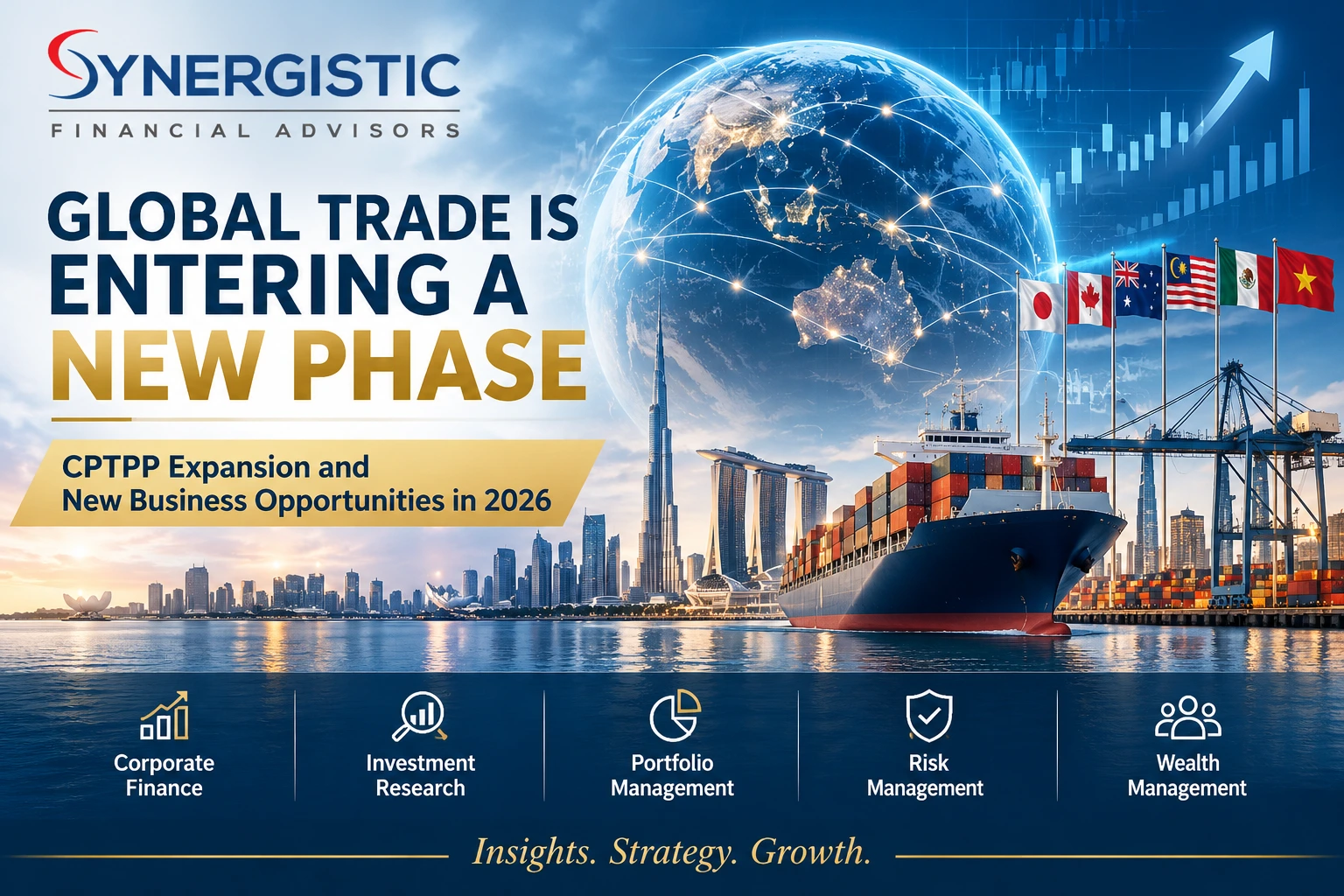
On November 27, 2026, members of the Comprehensive and Progressive Agreement for Trans-Pacific Partnership (CPTPP) agreed to begin accession negotiations with three countries: the United Arab Emirates (UAE), Indonesia and the Philippines.
The announcement was made during a meeting in Hanoi, Vietnam. CPTPP members also agreed to advance discussions on upgrading the trade agreement, with potential focus areas including services, e-commerce, customs procedures, trade facilitation and business competitiveness.
The development is significant because it brings together economies with different strengths, geographic positions and commercial priorities. It also reflects a wider trend: businesses are increasingly required to understand how trade agreements, regulations and international partnerships can influence their growth strategies.
For companies, investors and financial professionals, the important question is not simply which countries may join the agreement. It is how businesses can prepare for changing international trade conditions and identify opportunities without underestimating financial and operational risks.
1. What Is Happening With the CPTPP?
The CPTPP is a major Pacific Rim trade agreement designed to promote trade and investment among its members.
Its current membership includes:
- Australia
- Brunei
- Canada
- Chile
- Japan
- Malaysia
- Mexico
- New Zealand
- Peru
- Singapore
- Vietnam
- United Kingdom
The agreement provides a framework for economic cooperation, market access and trade-related rules.
The latest development involves the beginning of accession negotiations with the UAE, Indonesia and the Philippines. These negotiations do not mean that the three countries have already become members. Their accession processes will need to progress through the relevant negotiations and requirements.
At the same time, members are considering updates to important areas of the agreement, particularly digital commerce, cross-border services and customs procedures.
This combination of potential membership expansion and modernisation could influence how companies approach international trade in the coming years.
2. Why the UAE, Indonesia and the Philippines Matter
The three prospective participants bring different economic characteristics to the CPTPP.
United Arab Emirates
The UAE has an established position as an international business, logistics and financial services hub. Its commercial connections across the Middle East, Asia, Africa and Europe make it an important location for companies seeking international expansion.
Potential participation in a wider trade framework could strengthen opportunities for businesses involved in logistics, financial services, technology, trade and investment.
Indonesia
Indonesia is an important Southeast Asian economy with significant activity across manufacturing, commodities, infrastructure, digital services and consumer markets.
For international companies, its market offers opportunities connected to industrial development, supply-chain diversification and domestic demand.
Philippines
The Philippines has a growing services economy, a significant business-process outsourcing sector and opportunities in technology, infrastructure, manufacturing and consumer industries.
Greater trade integration could create additional commercial possibilities, depending on the final terms of accession.
However, businesses should distinguish between potential opportunities and confirmed benefits. Market access, tariff treatment and regulatory obligations will depend on the outcomes of negotiations.
3. Why Businesses Should Pay Attention to Changing Trade Agreements
Trade agreements can influence more than import and export costs. They can affect investment decisions, supplier relationships, market entry strategies and the competitive position of companies.
For example, a manufacturer evaluating a new international market needs to consider:
- Import duties and applicable trade rules.
- Local regulations and compliance requirements.
- Availability and cost of raw materials.
- Currency movements and payment risks.
- Logistics, transportation and delivery costs.
- Local competition and customer demand.
A change in trade arrangements may improve certain conditions, but it does not automatically make a market profitable.
Businesses need reliable market information and detailed financial assessments before committing capital.
This is where Corporate Finance and professional Financial Advisory Services can support strategic decision-making.
4. The Growing Importance of Cross-Border Services and Digital Trade
One of the important areas under consideration for CPTPP upgrades is services trade, including cross-border services and e-commerce.
This is particularly relevant because modern businesses increasingly operate beyond traditional physical trade.
Companies may provide software development, consulting, financial technology, digital marketing, professional services and other solutions to international customers without establishing a physical presence in every market.
For businesses exploring international expansion, several factors deserve attention:
Digital infrastructure: Companies need reliable systems for delivering services across borders.
Regulatory compliance: Data protection, taxation, licensing and consumer regulations can differ between countries.
Payment arrangements: Cross-border transactions involve currency conversion, banking arrangements and payment risks.
Commercial competitiveness: Businesses need to understand local pricing, customer expectations and competing service providers.
The possible modernisation of trade rules could make these areas increasingly important for international business strategy.
5. What This Could Mean for Pakistani Businesses
Although Pakistan is not currently a CPTPP member, developments within major international trade agreements can still matter to Pakistani companies.
The UAE, Indonesia and the Philippines are relevant commercial markets for businesses seeking regional expansion, supplier diversification and new customers.
Pakistani exporters and service providers should monitor changes in these markets rather than assuming that new trade arrangements will automatically benefit them.
Some areas worth evaluating include:
- Textile and apparel exports.
- Agricultural and processed food products.
- Information technology and software services.
- Logistics and supply-chain support.
- Engineering and industrial products.
- Business consulting and professional services.
For example, a Pakistani company considering expansion into the UAE should evaluate local demand, distribution costs, regulatory requirements and competition before entering the market.
Similarly, companies exploring Indonesia or the Philippines should assess the practical cost of doing business, local partnerships and payment arrangements.
A structured Financial Analysis can help businesses determine whether an international opportunity is commercially viable.
6. Investment Research: Identifying Opportunities Before Committing Capital
International trade developments can influence investor expectations, but not every country or industry will benefit equally.
Investors should avoid making decisions based solely on announcements about trade negotiations.
Instead, Investment Research should examine the underlying economic and financial conditions of relevant markets.
Important areas include:
- Economic growth and business activity.
- Corporate earnings and financial performance.
- Foreign investment trends.
- Currency and interest-rate exposure.
- Government policy and regulatory developments.
- Industry competitiveness and long-term demand.
This information can help investors distinguish between short-term market enthusiasm and opportunities supported by sustainable economic fundamentals.
A disciplined Investment Management approach also considers how international developments affect existing holdings, sector exposure and overall portfolio risk.
7. Why Financial Planning Matters During International Expansion
Entering a new market requires more than identifying potential customers. Businesses must also understand the financial resources needed to establish and maintain operations.
Expansion may involve:
- Initial investment and setup costs.
- Regulatory and legal expenses.
- Recruitment and operating costs.
- Marketing and distribution expenses.
- Working-capital requirements.
- Currency and financing risks.
A company that underestimates these expenses may face cash-flow pressure even when its international sales are growing.
Effective Financial Planning allows management to estimate funding requirements, develop realistic financial projections and prepare for different business scenarios.
A qualified Financial Advisor, Financial Planner or Financial Consultant can support businesses and investors in evaluating financial objectives and potential risks.
8. The Role of Portfolio Management and Wealth Management
International developments can also influence investment portfolios.
As economies become more interconnected, investors need to understand how exposure to different countries, industries and currencies affects their financial objectives.
Professional Portfolio Management involves evaluating asset allocation, diversification, investment performance and risk exposure.
Similarly, Wealth Management takes a broader view of financial resources and long-term objectives.
For individuals and business owners, financial decisions may also involve Retirement Planning and Tax Planning, depending on their circumstances and applicable regulations.
The goal is to maintain a structured approach to financial decisions rather than reacting to every new international development.
9. What Businesses Should Do Now
The CPTPP announcement is an opportunity for businesses to review their international strategies, but preparation should begin with practical research rather than assumptions.
Companies can take several steps:
Review target markets: Identify countries where demand, regulation and commercial conditions support the business model.
Evaluate supply chains: Assess whether alternative suppliers or distribution routes could improve resilience and efficiency.
Conduct feasibility studies: Estimate the investment, operating expenses and expected returns associated with expansion.
Strengthen financial controls: Monitor cash flow, working capital, currency exposure and financing requirements.
Assess business value: Use appropriate Business Valuation methods when evaluating investments, partnerships or strategic transactions.
Monitor international developments: Keep track of trade negotiations, regulatory changes and market conditions that could affect commercial plans.
These measures can help companies make informed decisions while avoiding unnecessary financial exposure.
10. How SFA Supports Informed Business and Investment Decisions
International business opportunities require a clear understanding of financial performance, market conditions and risk.
Synergistic Financial Advisors (SFA) provides analytical and advisory support to businesses and investors through services including:
- Financial and business analysis.
- Feasibility studies and strategic planning.
- Business and asset valuation.
- Investment research.
- Financial performance reviews.
- Risk management and cash-flow advisory.
- Portfolio construction, monitoring and analysis.
Through its Financial Advisory Services, SFA helps businesses evaluate opportunities, understand financial challenges and develop informed strategies.
Its Portfolio Management capabilities also support investment decisions through structured portfolio analysis and monitoring.
Explore SFA’s Advisory Services, Portfolio Management and complete range of services.
Conclusion
The CPTPP’s decision to begin accession negotiations with the UAE, Indonesia and the Philippines represents an important development in international trade.
The parallel discussions on modernising services, e-commerce, customs and trade facilitation show that international trade agreements are adapting to changing business models and economic priorities.
For companies, the development reinforces the importance of understanding international markets, evaluating supply chains and preparing for regulatory changes.
For investors, it highlights why reliable Investment Research, disciplined Investment Management and effective Portfolio Management remain important when assessing global opportunities.
The businesses best positioned to benefit from changing trade conditions will be those that combine strategic thinking with strong financial management and careful risk assessment.