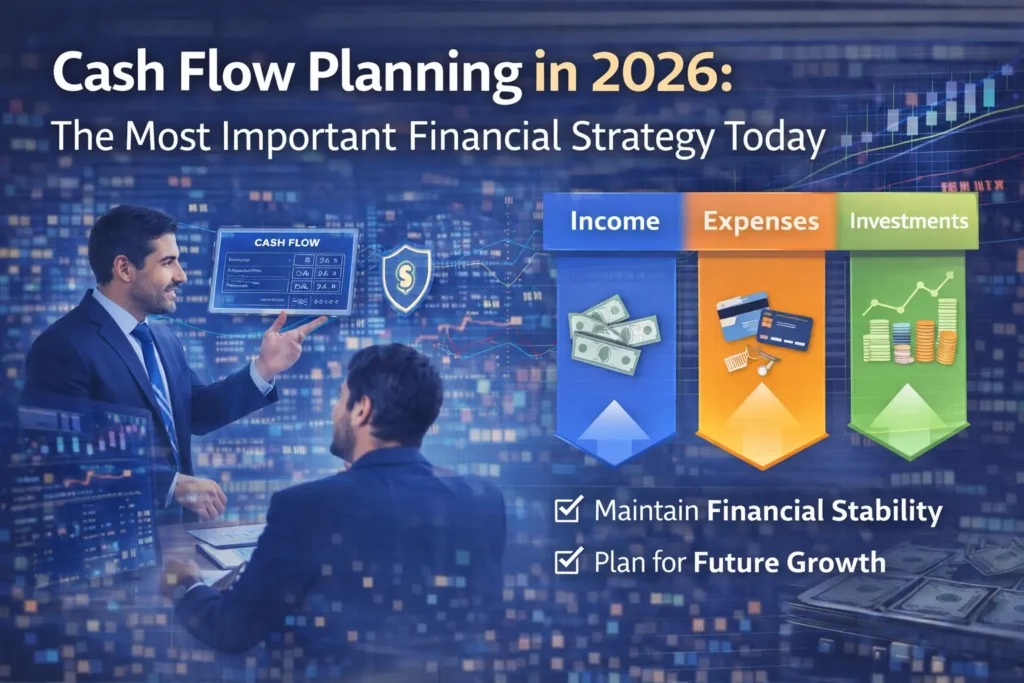
Financial Strategy

Financial Planning & Wealth Management
Financial Advisory Insights, Financial Insights, Financial Models, Financial Strategy

Why Strategic Financial Planning Is Essential in Today’s Uncertain Economy

Economic uncertainty has become a constant reality for individuals, businesses, and institutions alike. Inflationary pressure, shifting interest rates, regulatory changes, and global market volatility have made financial decision-making far more complex than it was a decade ago. In this environment, relying on intuition alone is no longer enough. Structured financial planning supported by professional guidance has become essential. At Synergistic Financial Advisors, the focus is not just on numbers, but on helping clients build clarity, resilience, and long-term financial confidence. The Evolving Role of a Financial Advisor The role of a financial advisor has expanded significantly. Today, clients expect more than basic investment recommendations. They seek strategic insight, risk awareness, and long-term alignment between financial decisions and real-world goals. Professional financial services now integrate planning, advisory, and execution into a cohesive framework. Whether working with corporations, professionals, or high-net-worth individuals, a modern advisor acts as a strategic partner rather than a transactional service provider. This is why many individuals actively search for financial advisors near me who offer not just accessibility, but credibility, independence, and a structured advisory approach. Why Financial Planning Is the Foundation of Stability At the core of long-term success lies disciplined financial planning. Without a clear plan, financial decisions often become reactive—driven by market headlines rather than strategy. A qualified financial planner evaluates income, assets, liabilities, risk exposure, and future objectives to create a roadmap that adapts over time. This process is especially important during periods of economic uncertainty, when unplanned decisions can have lasting consequences. Working with a certified financial planner adds an additional layer of confidence, as certification reflects professional discipline, ethical standards, and technical expertise. Wealth Management Beyond Short-Term Returns Many investors associate wealth management with aggressive growth strategies. In reality, sustainable wealth is built through balance—growth, preservation, and risk control. Professional investment management focuses on long-term value creation rather than short-term speculation. A structured approach helps investors remain disciplined during market volatility, avoiding emotional decision-making. Through expert portfolio management, assets are diversified across sectors and strategies, reducing concentration risk and improving long-term resilience. This disciplined structure is a key reason why institutions and private investors alike rely on professional advisory support. The Importance of Independent and Fiduciary Advice Trust plays a critical role in financial decision-making. An independent financial advisor operates without product bias, ensuring that recommendations are aligned solely with client interests. Even more important is the role of a fiduciary financial advisor, who is legally and ethically obligated to act in the client’s best interest. This fiduciary responsibility promotes transparency, accountability, and long-term alignment. For those seeking the best financial advisors, fiduciary standards are no longer optional—they are essential. Retirement Planning Requires Early and Ongoing Attention One of the most overlooked aspects of financial strategy is retirement planning. Many individuals delay planning, assuming it can be addressed later. However, successful retirement outcomes are typically the result of early action and regular review. Effective retirement strategies consider income sustainability, inflation, healthcare costs, and lifestyle expectations. A trusted financial advisor helps structure these plans realistically, adjusting them as personal or business circumstances evolve. Proactive planning creates flexibility. Delayed planning often limits options. Why Integrated Financial Services Matter Modern financial challenges cannot be solved in isolation. Today’s most effective financial services are integrated—combining advisory insight, strategic planning, and execution under one framework. This integrated approach benefits individuals, businesses, and financial institutions by improving decision quality, reducing risk exposure, and supporting long-term objectives. Whether the goal is capital growth, stability, or transition planning, professional guidance provides structure in an otherwise uncertain financial environment. Final Thoughts In a world where financial complexity continues to grow, working with a trusted financial consultant is no longer a luxury—it is a strategic necessity. From financial planning and wealth management to portfolio management and retirement planning, expert guidance helps turn uncertainty into opportunity. The right advisory partnership does more than manage finances—it builds confidence, clarity, and long-term success.

blank
Business Strategy, Financial Advisory Insights, Financial Strategy

How Businesses Are Rethinking Financial Strategy in a Volatile Global Economy

Over the past year, businesses across the globe have been operating in an environment shaped by rising interest rates, shifting investor confidence, and tighter capital markets. These conditions have pushed companies to rethink how they manage finances, structure investments, and plan for sustainable growth. Rather than relying on short-term decisions, organizations are increasingly focusing on structured financial strategies that support long-term stability. Financial Planning Is No Longer Just About Numbers Today, financial planning goes far beyond balance sheets and forecasts. Companies are looking closely at capital efficiency, risk exposure, and strategic flexibility. This shift has increased demand for expert corporate finance support, especially for businesses exploring mergers, acquisitions, debt restructuring, or expansion into new markets. With global deal activity showing signs of recovery, decision-makers are prioritizing proper valuation, due diligence, and regulatory alignment before executing transactions. Investment Decisions Are Becoming More Disciplined Market volatility has made investors more cautious. Instead of chasing quick returns, individuals and institutions are focusing on disciplined investment frameworks designed to preserve and grow wealth over time. This trend has strengthened the importance of professional portfolio management, where asset allocation, risk balancing, and performance monitoring play a critical role. Businesses and high-net-worth individuals are now paying closer attention to diversification and long-term financial goals rather than short-term market noise. Advisory Support Is Moving to the Center of Strategy As regulatory requirements and market complexities increase, companies are seeking reliable guidance to support strategic decision-making. Financial leaders now rely on advisory services not only during crises, but also during planning phases such as business expansion, restructuring, or new project evaluation. Effective advisory support helps organizations assess feasibility, optimize capital structures, and align financial plans with operational goals. Building Internal Capability Through Training Alongside external expertise, businesses are also investing in strengthening their internal teams. Financial literacy, analytical skills, and strategic thinking are becoming essential competencies across departments. This has led to increased interest in structured corporate training programs that help professionals understand financial data, manage performance, and contribute more effectively to decision-making. Companies that invest in skill development are better positioned to execute strategies successfully. What This Means for Businesses Going Forward The global financial environment may remain uncertain, but businesses that adopt a structured and informed approach are better equipped to manage risk and identify opportunities. A combination of strong financial planning, disciplined investment management, reliable advisory support, and capable internal teams creates a solid foundation for sustainable growth. As markets evolve, staying informed and proactive will continue to be a key differentiator. For more insights on financial strategy, market trends, and professional perspectives, explore the latest updates on our business and financial insights blog.

Scroll to Top