Corporate Training

Financial Advisor
Corporate Finance, Corporate Training, Financial Advisor

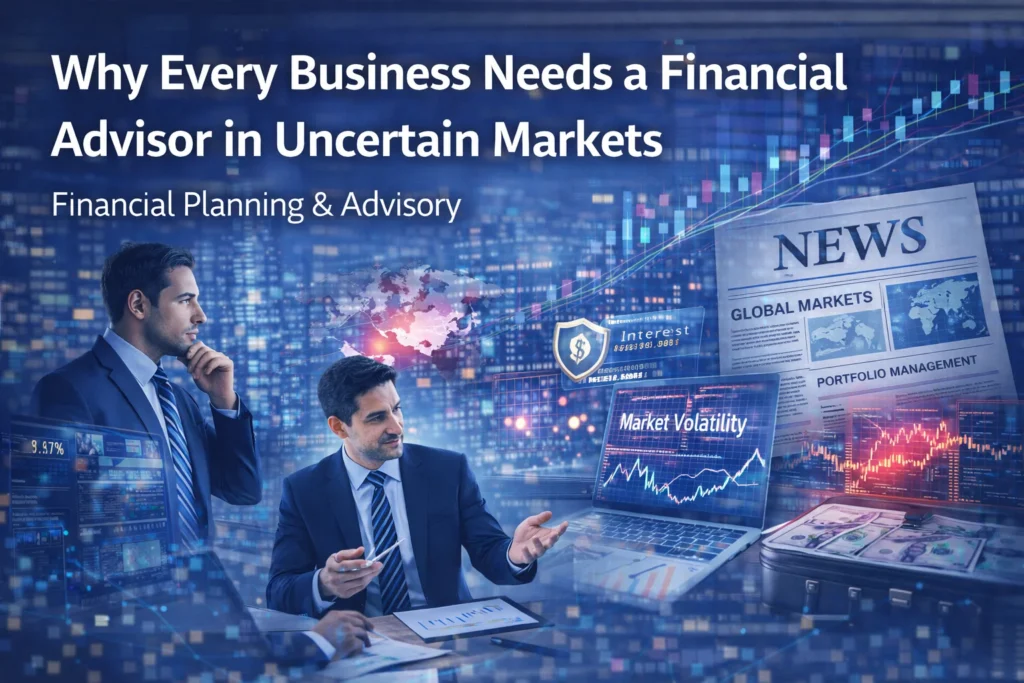
Why Every Business Needs a Financial Advisor in Uncertain Markets

Economic uncertainty has become the new normal for businesses around the world. Rising inflation, geopolitical tensions, interest rate fluctuations, and rapidly evolving financial regulations are creating a complex environment for companies of all sizes. In such conditions, relying solely on internal decision-making can expose organizations to unnecessary financial risks. This is why working with a professional Financial Advisor is no longer just an option for large corporations—it has become a strategic necessity for modern businesses. With the right Financial Planning, structured Investment Management, and professional Financial Advisory Services, companies can navigate uncertainty with confidence and make informed decisions that support long-term stability. Navigating Market Volatility with Expert Financial Planning Market volatility affects nearly every aspect of business operations, from funding costs to investment returns. Without structured Financial Planning, businesses may struggle to adapt to rapid economic changes. A professional Financial Advisor helps companies create a strategic roadmap that aligns financial resources with long-term objectives. This includes evaluating revenue projections, managing operating costs, and preparing for unexpected economic shifts. By implementing disciplined Financial Management strategies, businesses gain the flexibility needed to adjust to changing market conditions. Additionally, professional Financial Consulting services help organizations identify financial inefficiencies and optimize capital allocation. When companies have a clear financial framework, they can make better decisions about expansion, hiring, and investment opportunities. Strengthening Corporate Finance Strategies Effective Corporate Finance management is essential when markets become unpredictable. Businesses must carefully balance growth initiatives with financial stability to avoid liquidity challenges. A qualified Financial Consultant evaluates key financial metrics, including debt structures, funding requirements, and capital allocation strategies. Through professional Financial Advisory Services, businesses can restructure financial strategies to support sustainable growth even during uncertain economic cycles. For example, companies looking to expand operations may require structured funding strategies or new investment opportunities. An experienced Investment Advisor can analyze financial data, evaluate market trends, and recommend the most suitable approach to financing growth. This level of strategic guidance allows businesses to pursue expansion while maintaining strong financial discipline. Protecting Business Assets Through Risk Management Financial uncertainty also increases exposure to risk. Market downturns, regulatory changes, or global economic disruptions can negatively impact business performance if not properly managed. Professional Financial Services providers integrate Risk Management into every financial strategy. This process involves identifying potential threats, analyzing financial vulnerabilities, and developing mitigation strategies. By combining expert Financial Planning with proactive risk assessment, companies can protect capital, maintain operational stability, and avoid costly financial mistakes. Organizations that implement structured risk frameworks are better positioned to withstand economic shocks while continuing to pursue strategic growth opportunities. Optimizing Investments with Portfolio Management Many businesses also maintain investment portfolios, reserves, or surplus capital. Without proper oversight, these funds may not generate optimal returns. Structured Portfolio Management ensures that business investments align with both financial objectives and risk tolerance. A professional Investment Advisor evaluates market conditions and develops diversified strategies that balance growth with stability. Through disciplined Investment Management, businesses can maximize returns while minimizing unnecessary exposure to volatility. This approach is also essential for organizations that manage employee pension funds, retirement plans, or long-term investment reserves. Effective Wealth Management strategies ensure that financial resources are working efficiently to support future business goals. Preparing for Long-Term Financial Sustainability Long-term success requires more than short-term profits. Businesses must prepare for future challenges, including retirement obligations, tax structures, and evolving financial regulations. Experienced Certified Financial Planner professionals help organizations develop sustainable financial frameworks that support long-term success. This includes planning for executive Retirement Planning, optimizing Tax Planning strategies, and strengthening relationships with key Financial Institutions. Companies that work with professional advisors gain access to valuable insights that improve financial resilience and strategic clarity. The Strategic Advantage of Independent Financial Advice Many businesses today prefer working with an Independent Financial Advisor who can provide objective insights without institutional bias. Independent advisors focus on developing customized strategies based on each organization’s unique financial goals. Unlike generic financial solutions, personalized Financial Advisory Services ensure that strategies are tailored to the company’s operational model, industry trends, and growth ambitions. This personalized guidance helps businesses make smarter financial decisions while maintaining control over their long-term financial strategy. Building Confidence in an Uncertain Economy Uncertain markets create both risks and opportunities. Businesses that rely solely on internal financial management may miss critical insights that could improve their performance. By partnering with an experienced Financial Advisor, organizations gain access to expert knowledge, structured Financial Planning, and professional Investment Management strategies. From strengthening Corporate Finance frameworks to improving Portfolio Management and long-term Wealth Management, professional financial guidance provides the clarity businesses need to thrive in unpredictable economic conditions. In today’s dynamic financial landscape, working with the right advisor is not just about managing money—it is about building a resilient financial strategy that supports sustainable growth for years to come.

Corporate Training
Corporate Training

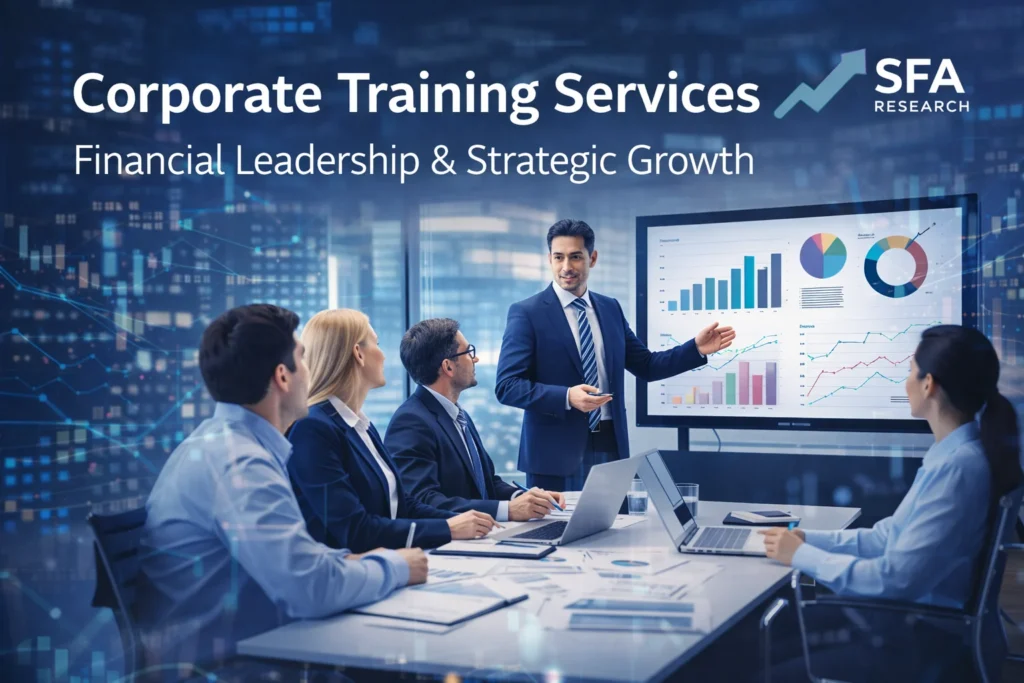
Corporate Training for Strategic Excellence & Financial Leadership

In today’s fast-paced business world, companies must constantly adapt, innovate, and evolve. One of the most effective ways to achieve sustained performance and competitive advantage is through structured corporate training programs designed to build financial, strategic, and leadership capabilities across organizations. At Synergistic Financial Advisors, we believe that the right training not only strengthens skills but also empowers teams to make smarter financial decisions, improve operational efficiency, and drive long-term growth. Why Corporate Training Matters in Modern Business Corporate environments are becoming increasingly complex. Whether a company is scaling up, restructuring, or navigating market volatility, well-designed corporate training programs ensure that teams are prepared with the knowledge and tools needed to respond effectively. Training is no longer an optional perk — it is a strategic investment that: Today, organizations expect more than theoretical knowledge. They want actionable insights that drive results. That’s where professional training, grounded in real-world financial strategy, becomes transformational. Financial Planning and Advisory Training for Business Leaders Financial literacy and strategic thinking are core competencies for leaders across functions. Executives, finance teams, and department heads benefit greatly from training that deepens their understanding of financial planning, forecasting, and performance analysis. Our training programs cover essential topics such as: Developing these skills helps teams think beyond spreadsheets, enabling them to anticipate challenges and contribute meaningfully to corporate goals. Training for Financial Advisors and Consultants Professionals working in advisory roles — such as financial advisor, financial consultant, or investment advisor — must stay ahead of evolving market trends, regulations, and client expectations. Our corporate programs tailored for advisory teams include: By investing in specialized training for advisory professionals, firms enhance credibility, build trust, and deliver higher value to clients. Building Strategic Financial Teams Organizational success increasingly depends on cross-functional financial understanding. Whether it’s sales forecasting, budgeting, or financial risk communication, non-financial professionals benefit from structured learning that bridges the gap between operational expertise and financial literacy. For example: Such multidisciplinary training fosters alignment, improves collaboration, and supports better decision-making at all levels. Customized Corporate Training That Delivers Results Every organization has unique challenges and goals. Off-the-shelf training rarely delivers strategic impact. That’s why our corporate training offerings are fully customized to match: We begin with a diagnostic phase — understanding organizational needs, current capabilities, and desired outcomes. Then, we design targeted modules that support measurable change. Why Professional Training Enhances Financial Services Delivery When teams are trained in financial concepts, their ability to collaborate with clients and internal stakeholders improves significantly. For firms offering financial services, such as wealth management or investment management, having well-trained professionals helps: Corporate training solidifies not just individual skills, but the firm’s overall market credibility. Aligning Training with Broader Business Strategy Corporate Training should never be isolated from larger strategic objectives. At its best, it aligns with: This ensures that training outcomes are not just theoretical but actively support business success. Final Thought: Training as a Strategic Investment Companies that prioritize education and skill enhancement gain a competitive edge. Whether you are a mid-sized enterprise, a financial institution, or a professional services firm, structured corporate training programs designed around financial acumen bolster resilience, innovation, and long-term value creation. At its core, effective corporate training empowers people — and empowered people drive results.

Scroll to Top